Understanding the local challenge
The starting point was clear clinical evidence that dementia was under diagnosed in South Sefton.
40% of adults estimated to have dementia in South Sefton remained undiagnosed, compared with 24% in North Sefton and 34% nationally. South Sefton had the lowest dementia diagnosis rate across Cheshire and Merseyside.
GP practice data also showed wide variation in annual dementia care plan reviews, ranging from 35% in some practices to more than 80% in others. Memory clinic data highlighted further issues, including coding inconsistencies, variable referral screening, incomplete referrals and high rejection rates.
Together, these findings pointed to a structural challenge requiring coordinated action across primary care, community organisations and specialist services.
Listening to the community
Clinical data was complemented by insight from local residents.
The Community Innovation Team gathered views from 142 residents, with discussions taking place at L30 Community Centre and Netherton Feelgood Factory, alongside engagement with people who live and work in Netherton.
The findings highlighted several barriers:
- 51% were unaware that dementia risk can be reduced through lifestyle changes
- Many residents were reluctant to seek help because of concerns about “wasting the GP’s time”
- A third did not prioritise their own health
- Residents wanted clear information covering the whole dementia journey
- Health professionals and family members were identified as the most trusted sources of information
This combination of clinical data and community insight provided the foundation for a place based intervention.
Building a partnership at place
The project began as a partnership between Sefton CVS, South Sefton PCN and Sefton Public Health.
As the work developed, the Community Innovation Team expanded to bring together a wider group of partners, including:
- Glovers Lane Surgery
- MerseyCare Memory Service
- L30 Community Centre
- Netherton Feelgood Factory
- Alzheimer’s Society
- Healthwatch Sefton
- Living Well Sefton
- NML House of Memories
- Creative partners from CDI and LSTM
Each brought a different perspective, from clinical leadership and specialist dementia knowledge to community engagement, creative storytelling and lived experience.
The partnership also strengthened relationships across the local system. GP teams developed a clearer understanding of community support available locally, while VCFSE organisations gained direct access to clinical leaders. The Memory Service also worked more closely with PCN practices to improve referral quality and consistency.
Using storytelling alongside data
The ReCITE approach enabled residents, carers and professionals to share their experiences of dementia alongside the clinical data.
Storytelling helped partners identify barriers, clarify misconceptions and ensure that the intervention reflected local experiences.
One of the outputs was the Dementia Monologue, developed with Liverpool actress Eithne Brown. The resource provides an accessible narrative about the later stages of dementia and supports conversations around planning, care and support.
A dementia journey designed for Netherton
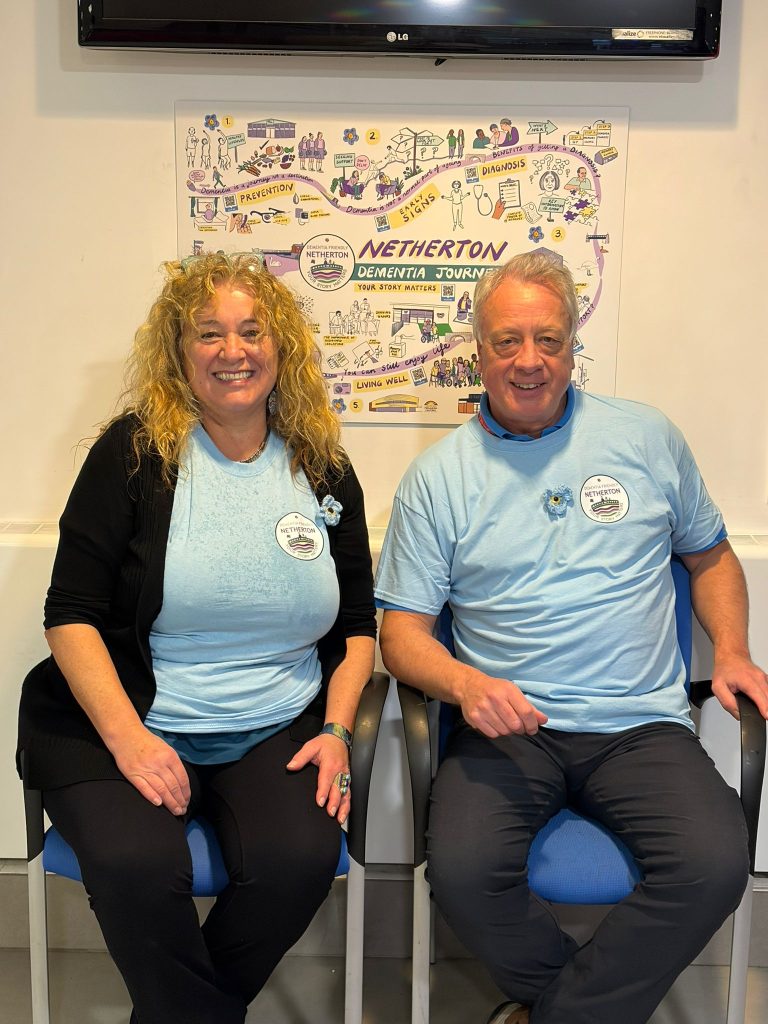
The Community Innovation Team co developed a hyper local Dementia Journey Map, inspired by the canal that runs through Netherton.
Using a familiar local landmark, the map guides residents through the different stages of dementia and shows how clinical and community support connects at each point.
- Prevention: Information about lifestyle factors, social connection and early conversations.
- Early signs: Short films featuring Glovers Lane staff and local residents explain early symptoms and encourage timely help seeking.
- Getting a diagnosis: Clear information about GP assessment, referral and the role of the MerseyCare Memory Service.
- Supporting well: VCFSE organisations including Netherton Feelgood Factory, L30 Community Centre and Alzheimer’s Society provide practical support, advice and community connection.
- Living well: Local stories highlight how people can maintain quality of life with the right support.
- Your story matters: Residents’ experiences help raise awareness, reduce stigma and encourage early conversations.
- The Dementia Monologue: A structured narrative resource supporting understanding of later stage dementia and planning for future care.
Taking the intervention into the community
From December 2025 to April 2026, Dementia Friendly Netherton was delivered through a range of local activities, including:
- 10 community roadshow events
- The House of Memories “On the Road” museum bus
- Large outdoor displays of the Dementia Journey Map
- GP practice screens and public venue displays
- A maildrop to 3,600 households
- Local business engagement
- Social media amplification
Together, these activities increased visibility, strengthened local conversations and improved understanding of dementia pathways.
Creating a lasting resource
The work is designed to continue beyond the initial campaign.
The Dementia Friendly Netherton webpage now brings together the creative assets, films and resources developed through the project, providing a permanent and accessible hub for residents, clinicians and community organisations.
The next phase will focus on measuring the impact of the work, including:
- increases in GP appointments for memory concerns
- higher referral rates to the memory clinic
- improved diagnosis rates
- greater community knowledge and confidence
This monitoring will help demonstrate whether place based collaboration can shift outcomes in an area where dementia has historically been under diagnosed.
Why it matters
Dementia Friendly Netherton shows what can be achieved when primary care, public health and the VCFSE sector work together around a shared local challenge.
By combining clinical data, community insight and coordinated action, the partnership has created an approach that connects residents to clearer information, earlier conversations and support throughout the dementia journey.
It demonstrates the value of working at place: bringing together the organisations, knowledge and relationships already rooted in a community to tackle health inequalities and improve outcomes.