Action
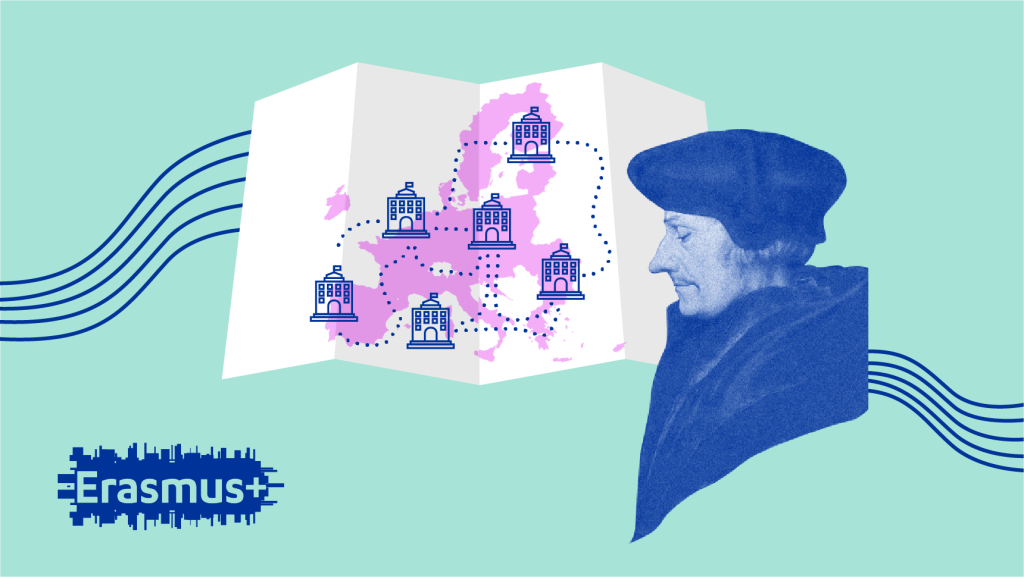
Erasmus+ is a programme supporting education, training, youth and sport across Europe. It offers opportunities for exchange programmes and placements abroad for staff and learners in higher education, vocational education and training, adult learning and schools, as well as for youth organisations and sports staff. It also includes partnership opportunities for organisations.
The programme does not just cover the 27 EU member states, but also includes countries such as Turkey, Norway and Iceland.
Erasmus+ supports citizens in their personal and professional development, helping them gain qualifications and skills for meaningful participation in democratic society, intercultural understanding, and successful transitions into the labour market.
The UK is appointing a National Agency to run Erasmus+ for the UK. More information is expected soon, with a website anticipated by summer 2026.
If you are interested in being involved, now is the time to start preparing. You may wish to read the latest Government guidance on the Erasmus+ programme and download the EU Programme Guide and begin thinking about what you could take part in, including potential partner organisations.
History
The UK had been part of the highly successful Erasmus Programme, and it was widely expected that participation would continue despite leaving the European Union.
However, as negotiations progressed, it became clear that a hard Brexit approach was being taken, with membership of the Single Market or a Customs Union rejected. Although assurances were given that Erasmus would continue, it was announced at the last minute that the UK would also leave the programme and instead set up a cheaper, one way mobility scheme called Turing.
The British Council lost the contract for Turing, which was awarded to Capita Plc, on the basis that it could deliver a cheaper service.
In May 2025, the UK held a reset summit with the EU and made progress across a number of issues. This led to a joint announcement on 17 December confirming that the UK would rejoin Erasmus+.
Who does Erasmus apply to?
UK Government guidance explains which individuals can apply for mobility opportunities involving placements in other participating countries:
- School pupils can spend time studying abroad, either individually or as part of a class or group
- Students and apprentices in higher education, further education or vocational education and training can study, train, volunteer or undertake work placements abroad
- Adult learners can spend time at an adult learning organisation abroad or study overseas as part of a group
- Young people who work or volunteer with youth organisations can take part in training, youth exchanges, workshops, debates and outdoor activities
- Youth workers and staff working in schools, FE, HE or adult education can train or teach abroad and participate in professional development activities
- Grassroots sports staff can spend time abroad job shadowing or on coaching assignments
Applications for funding, including contributions to travel and living costs, course fees and other expenses, must be made through participating organisations such as education providers, training bodies, youth and sports organisations, or non profit organisations.
Erasmus+ also includes wider partnership opportunities for organisations.
Further reading